
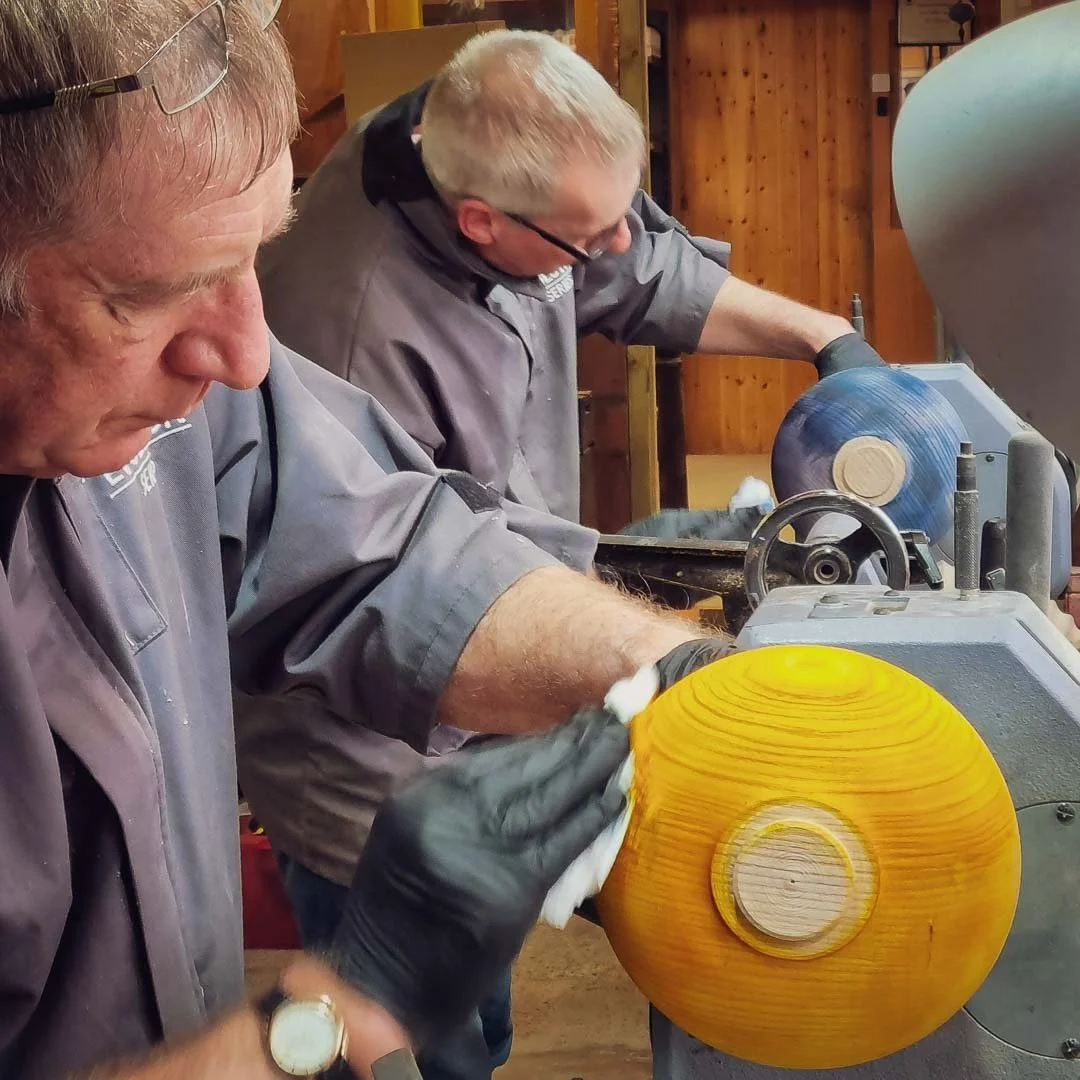
There's a question that haunts makers: when is a piece finished?
Not technically finished – sanded, sealed, polished. That's measurable. I mean the other kind of finished: when do you stop refining and accept that what you have is what it's going to be?
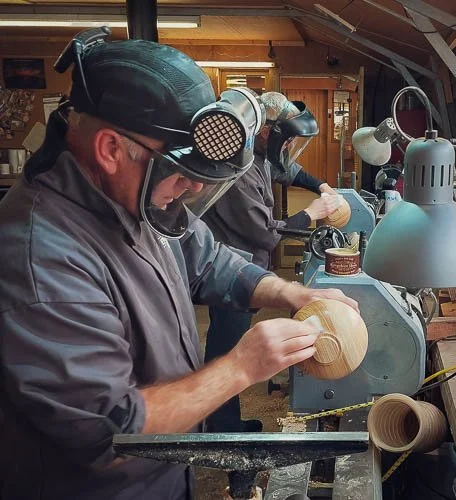
I watch students wrestle with this constantly. Some stop too early, declaring victory while the form still has awkward transitions or the surface still shows tool marks that could be removed. Others can't stop at all, sanding through grits that make no visible difference, searching for a perfection that doesn't exist.
Both tendencies come from the same place: uncertainty about standards. Without a clear sense of what "good" looks like, you either grab the first acceptable result or chase an ever-receding horizon.
The answer isn't a formula. It's developing judgement and the ability to see your work clearly and assess it honestly. This takes time. It takes looking at other people's work, understanding what distinguishes competent from excellent. It takes making enough pieces that you start recognising patterns in your own tendencies.
Here's what I've learned: "good enough" is context-dependent. A practice piece that teaches you something is finished when the lesson is learned, regardless of the object's quality. A gift for someone you love deserves more refinement. A piece for exhibition demands your best current work.
The goal isn't eliminating "good enough", it's knowing when that standard applies and when it doesn't. Perfectionism that prevents you from finishing anything is as problematic as carelessness that prevents you from improving.
“What’s your tendency – stopping too soon, or never stopping at all?”
Class Recommendation: Developing judgement is central to our Bowl Improvers class – learning to see your work with fresh eyes and understand what "better" actually means.