
Spring Preview: Events, Classes, and Opportunities Ahead
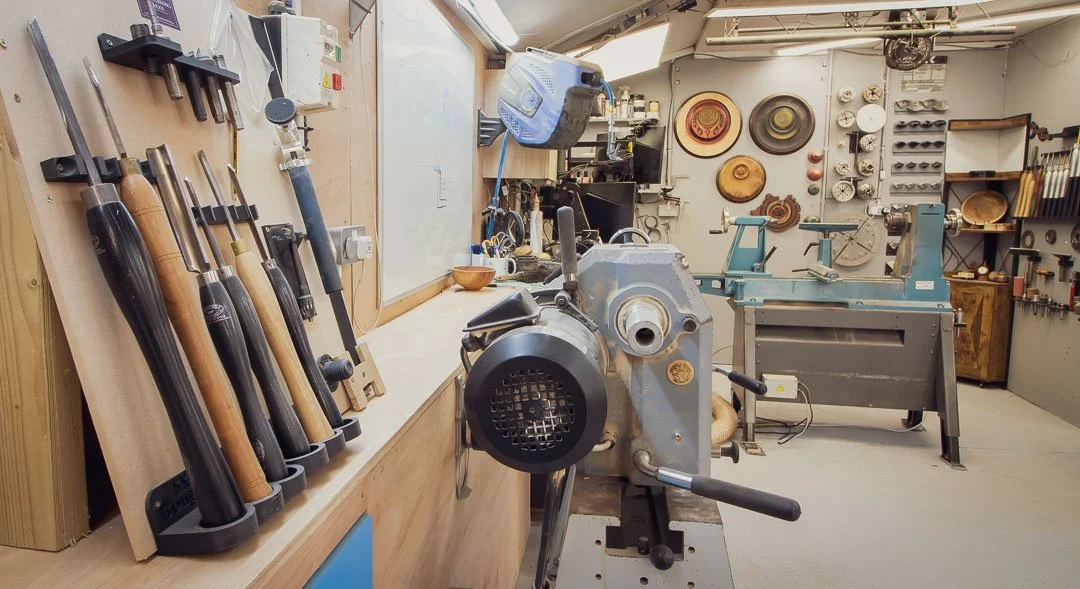
As winter gives way to spring, the woodworking calendar fills with opportunity. Shows, events, and the longer days that make workshop time more appealing.
The Midlands Woodworking Show at Newark Showground (6th-7th March) will have just passed, but the energy of show season carries forward. Weird and Wonderful Wood at Haughley Park (9th-10th May) celebrates traditional crafts and green woodworking. The Professional Woodworking Expo at NEC Birmingham (17th-19th May) brings the trade side of the craft to the public. Each offers something different – inspiration, tools, techniques, community.
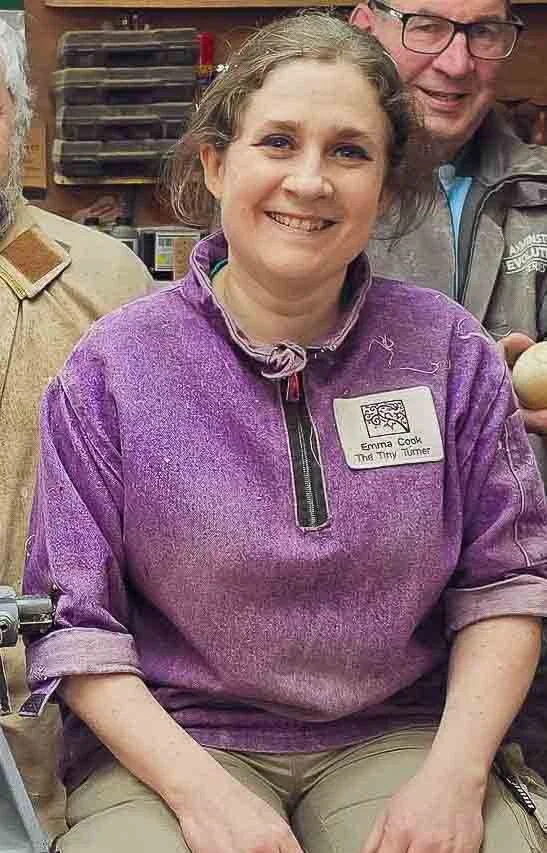
Here at The Woodturning School, spring brings some special opportunities. Emma Cook – The Tiny Turner – returns in June to teach her faux hollow form and carved bowl techniques. These classes sell quickly because Emma brings something genuinely different: creative approaches that expand what you think woodturning can be.
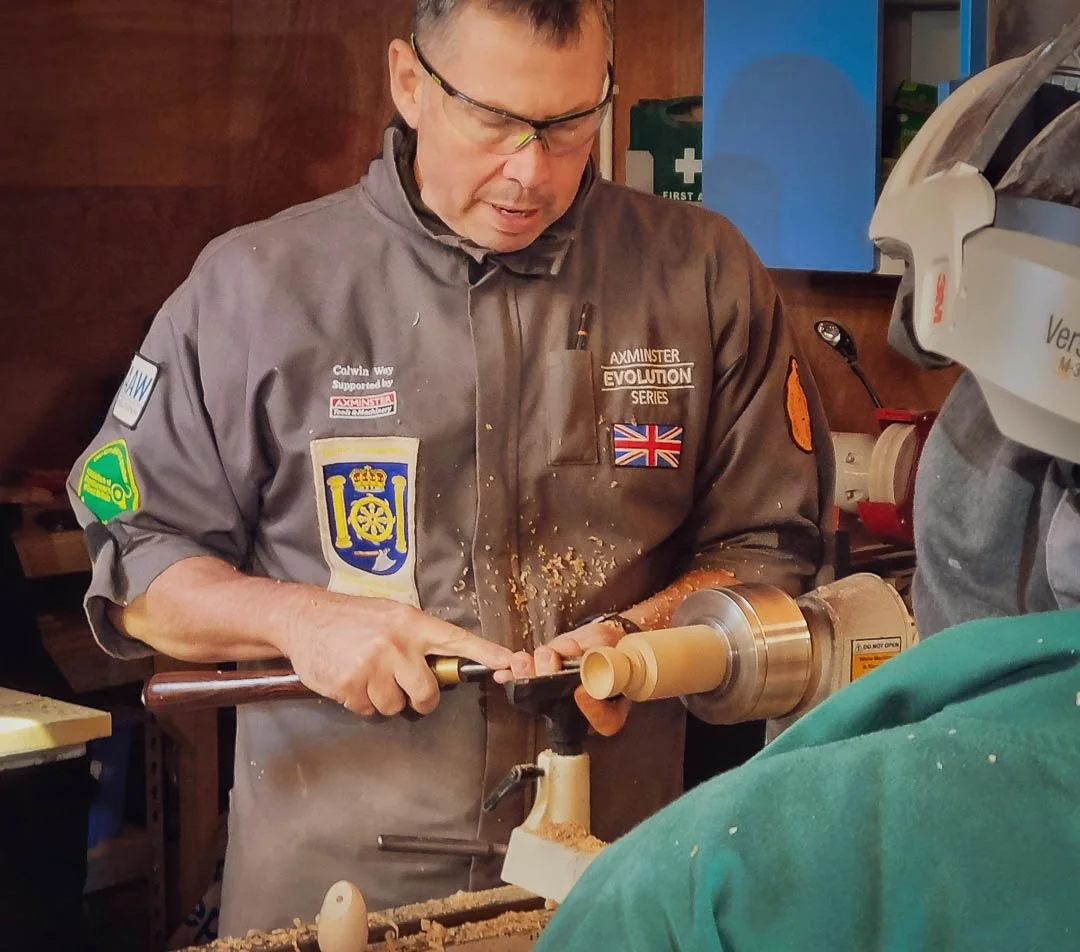
Colwin Way will be here twice in 2026 to teach Nick Agar's iconic Viking Sunset Bowl. This two-day masterclass takes you through an entire decorative process: turning, texturing, airbrushing, gilding. It's the kind of piece that changes how you think about what's possible on a lathe.
Our regular classes continue throughout spring – Two Day Beginners, Experience Days, Bowl Improvers, Sunday Studio Sessions. Les Thorne's Skew and Spindle Gouge class demystifies the tool that most turners avoid. The new Introduction to Hollowing class launches, taking experienced turners into more challenging territory.
Spring is also when gift voucher holders finally book. If you received a voucher over Christmas and haven't used it yet, now's the time. The light is better, the weather is milder, and the drive to Hampshire is pleasant.
“What do you want to learn this spring?”
Class Recommendation: Browse all our classes and find your starting point at thewoodturning.school. From complete beginner to advanced techniques, there's a class for wherever you are.