
Finding Your Path: A Guide to Class Progression
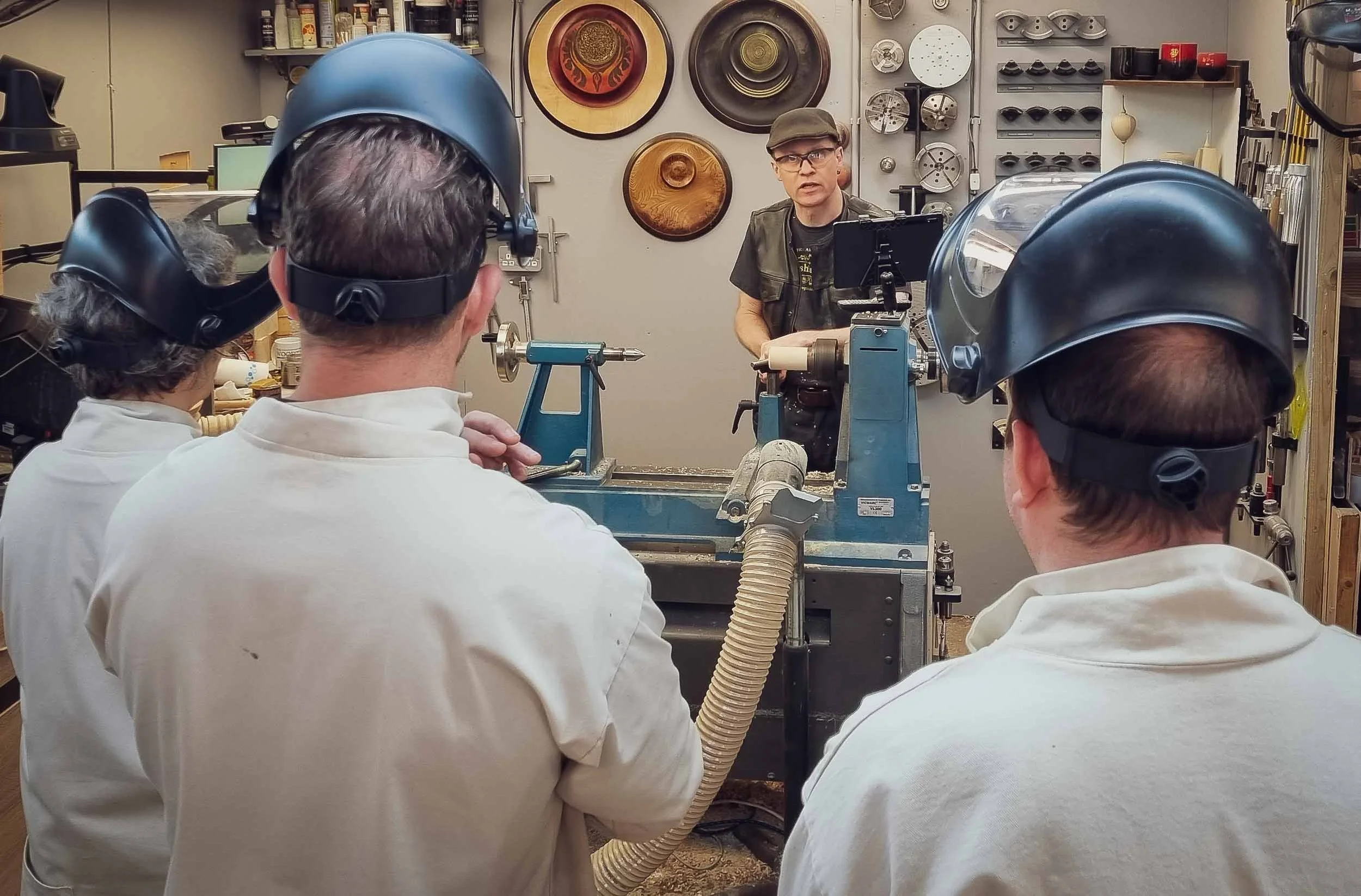
One of the questions I get asked most often is: "Which class should I take?" It's a fair question. Looking at a list of courses, it's not always obvious where to start or where to go next. So I thought I'd lay out how our classes connect and build on each other, and help you find the path that makes sense for you.
Starting Out
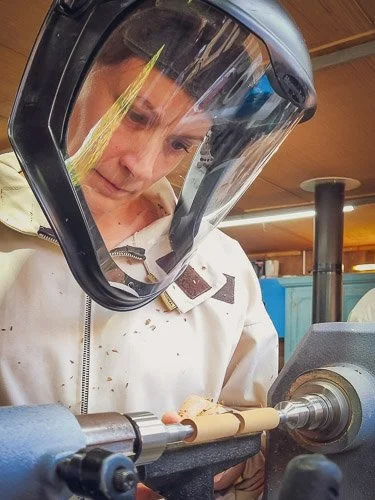
If you've never turned before, you have three options. These steps are not in sequence, they're different doors into the craft, and which one you choose depends on your circumstances.
Pen Turning Experience is a three-hour session on Sunday mornings, and participants leave with a finished pen. It's the lowest commitment option, good for testing whether this whole lathe thing appeals to you. Or it is ideal as a gift for someone who's curious but not yet committed. By lunchtime, you're done.
Woodturning Experience Day is a full day that gives you a taste of several different techniques. A bit of spindle work, a bit of bowl work, exposure to different tools and approaches. It's the sampler. You get a sense of what turning involves without going deep on any one thing.
Bowl Turning Experience is for people who already have an inclination they want to make bowls, or the Experience Day is sold out (usually up to 5 months in advancce). If that's the shape that caught your imagination, this gets you started. A full day focused on one thing.
Any of these will indicate whether you want to proceed. Some people are satisfied with the experience and go home happy. That's fine. But if you find yourself thinking about lathes on the drive home, that's the signal to look at what comes next.
The Foundation
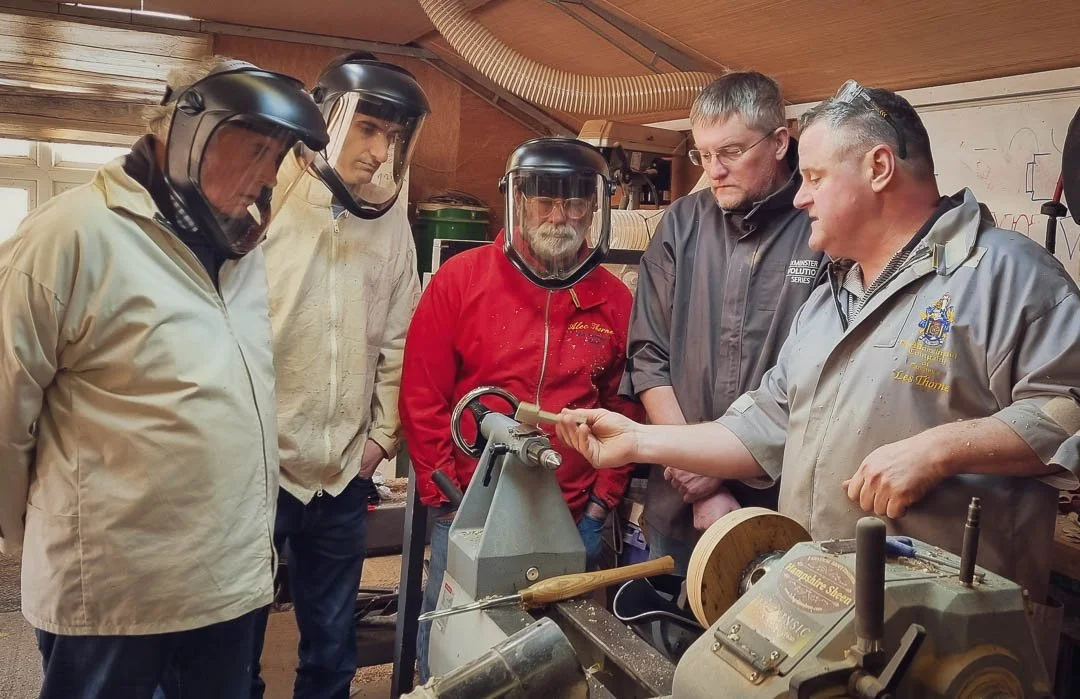
Two Day Beginners is where proper turning education begins. This is the class I'd recommend to anyone who's serious about learning the craft, whether or not they've done one of the experience sessions first.
Day One focuses on spindle work. You'll make a bottle stopper and a mushroom, learning how the tools cut, how to position your body, how to read what the wood is telling you. Day Two moves to bowl turning, where the dynamics change and the skills deepen. By the end, you'll have made pieces you're genuinely pleased with, and you'll understand why they worked.
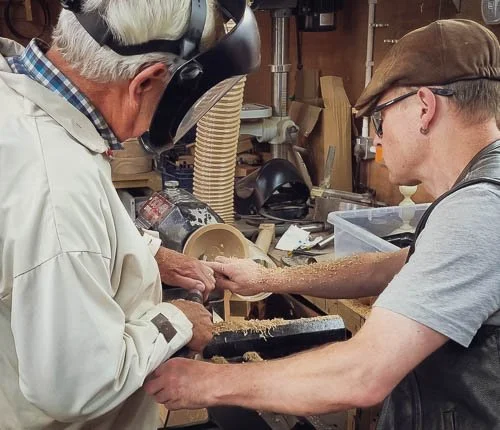
What makes this class different is that we don't just teach technique. We introduce the thinking behind good design. Why some shapes feel right and others don't. The principles of proportion that separate satisfying work from things that end up at the back of a cupboard. It's gentle, not academic, but it plants seeds that keep growing long after you've left.
Two Day students also get access to over an hour of refresher videos and receive a 60 page printed workshop companion book. When you're back at your own lathe and can't quite remember how I held the gouge, you can watch it again. That ongoing support is something we're quite proud of. Also take a look at The Bite Size Workshop below.
Building Skills
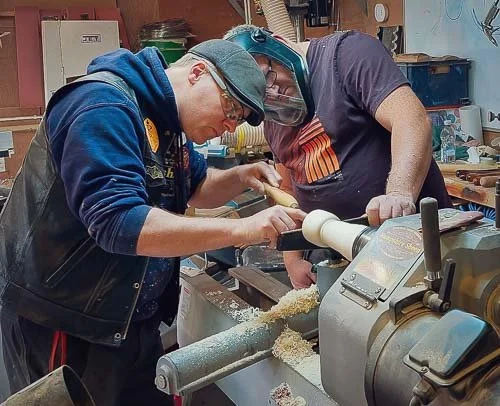
Once you've got the foundation, you can branch out based on what interests you. These classes aren't strictly sequential. They're options that develop different aspects of your turning.
Bowl Turning Improvers is the natural next step if you loved the bowl work on Day Two. It's about refinement: better curves, more consistent walls, cleaner cuts, and different techniques. Taking what you learned and making it more reliable.
Les Thorne: Skew and Spindle Gouge tackles the two tools that scare most turners. Les has been a professional turner since long before I picked up a gouge, and if anyone can help you befriend the skew chisel, it's him. Best taken while you're still forming habits, before fear has time to set in.
Woodturning Boxes moves into end-grain work and precision fitting. Making a lid that fits properly requires some accuracy you haven't needed before. It's a step up in difficulty, and it's deeply satisfying when it clicks.
Japanese Style Rice Bowl combines thin-wall turning with elegant proportions and some decorating. If the design principles in the Two Day class caught your attention, this is where you get to apply them to something beautiful and challenging.
Specialist Work
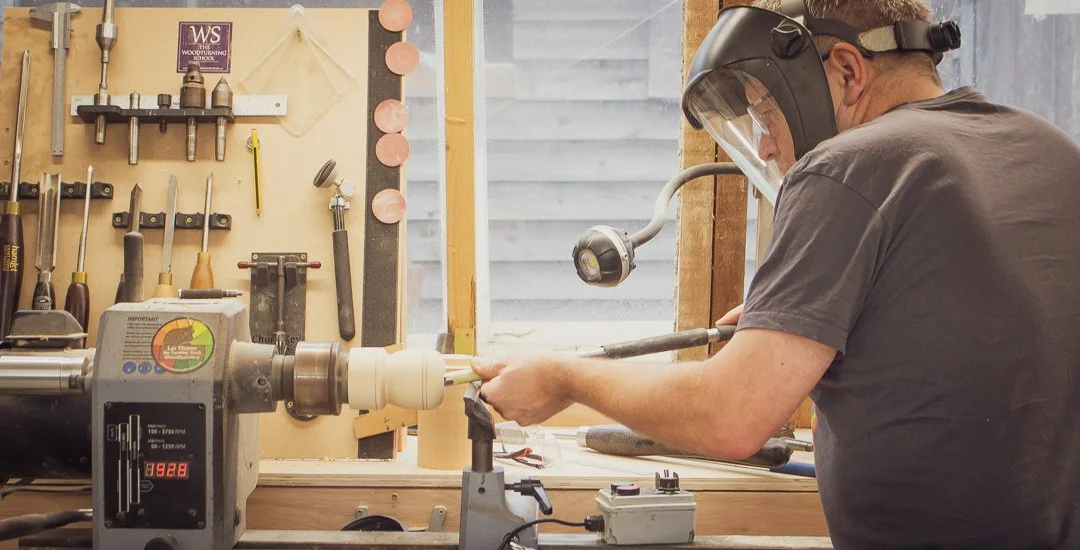
These classes assume you're comfortable at the lathe. Not expert, but confident enough that the basics don't require your full attention. That frees you to focus on new techniques without fighting your tools.
Introduction to Hollowing teaches you to shape what you can't see. Working through a small opening with specialist tools, trusting your hands to know where the wall is. It's a different kind of turning, and it opens up forms that aren't possible any other way. The first class runs in March.
Emma Cook joins us in June for her Carved Bowl and Faux Hollow Form classes. Emma brings energy, creativity, and techniques that move beyond pure turning into carving, colour, and surface decoration. Her classes fill quickly because she makes everyone feel they can do things they didn't think possible.
Colwin Way: Viking Sunset Bowl is our premium two-day experience. Colwin has over forty years at the lathe and teaches Nick Agar's iconic piece with the blessing of Nick's family. Turning, texturing, airbrushing, gilding. It's a masterclass in every sense. October 2026 dates are available from 30th January.
Ongoing Practice
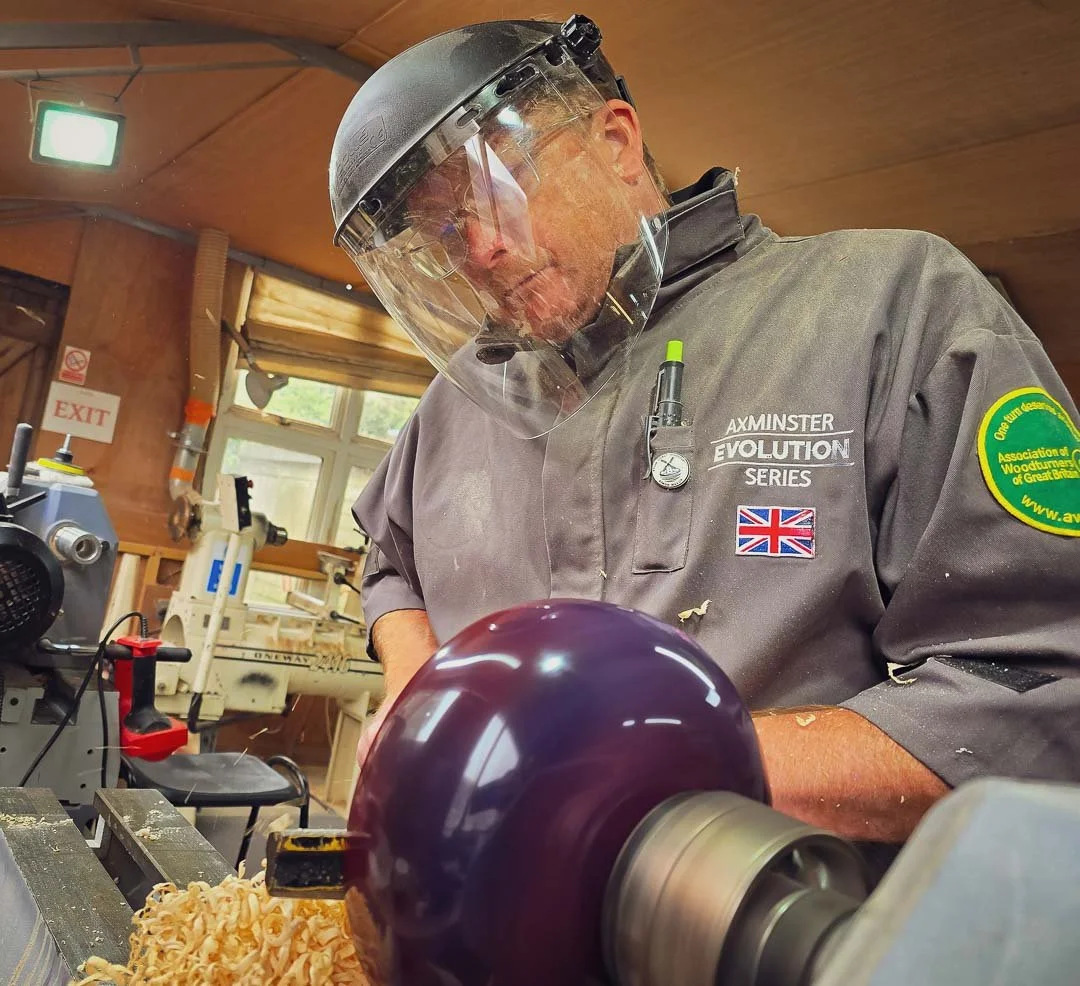
Sunday Studio Sessions aren't classes. They're workshop time for turners who can work safely without constant supervision. Bring your own project, practise a form until it clicks, work through something tricky with a second pair of eyes available. Maximum four turners, six hours at the lathe, and someone nearby if you need guidance.
This is where many of our returning students are ending up but because they've learned enough to direct their own practice. They know what they want to work on, they just need space and occasional input.
Bite-Size Workshop
The Bite-Size Workshop is a growing library of focused video lessons for woodturners who want to learn efficiently. The videos are (mostly) around 10 minutes long (project videos are longer) and teach one specific skill or idea, neatly explained with no waffle (and no ads).
The library covers sharpening, tool technique, design principles, finishing, projects, troubleshooting, workshop setup and more. New content is added weekly, so you can learn at your own pace from Registered Professional Turners. It's ad-free, organised, and designed to respect your time.
The Journey
What our classes offer is structure for your learning journey. Entry points that meet you where you are. A foundation that gives you the skills to develop on your own. Focused sessions that deepen specific abilities. And eventually, space to practise and grow at your own pace.
If you're not sure where to start, the Two Day Beginners is rarely wrong. Everything else makes more sense once you have that foundation.
And if you've already done that and you're wondering what's next, have a look at what appeals to you. There's no prescribed order. Follow your curiosity. That's usually the best guide.

P.S. If you're looking for ongoing support between classes, Woodturning360 might suit you. It's our online community with twice-monthly live sessions, a library of content, and a genuinely friendly bunch of turners from around the world. Worth a look at woodturning360.com