
Community Over Competition: How Makers Support Each Other
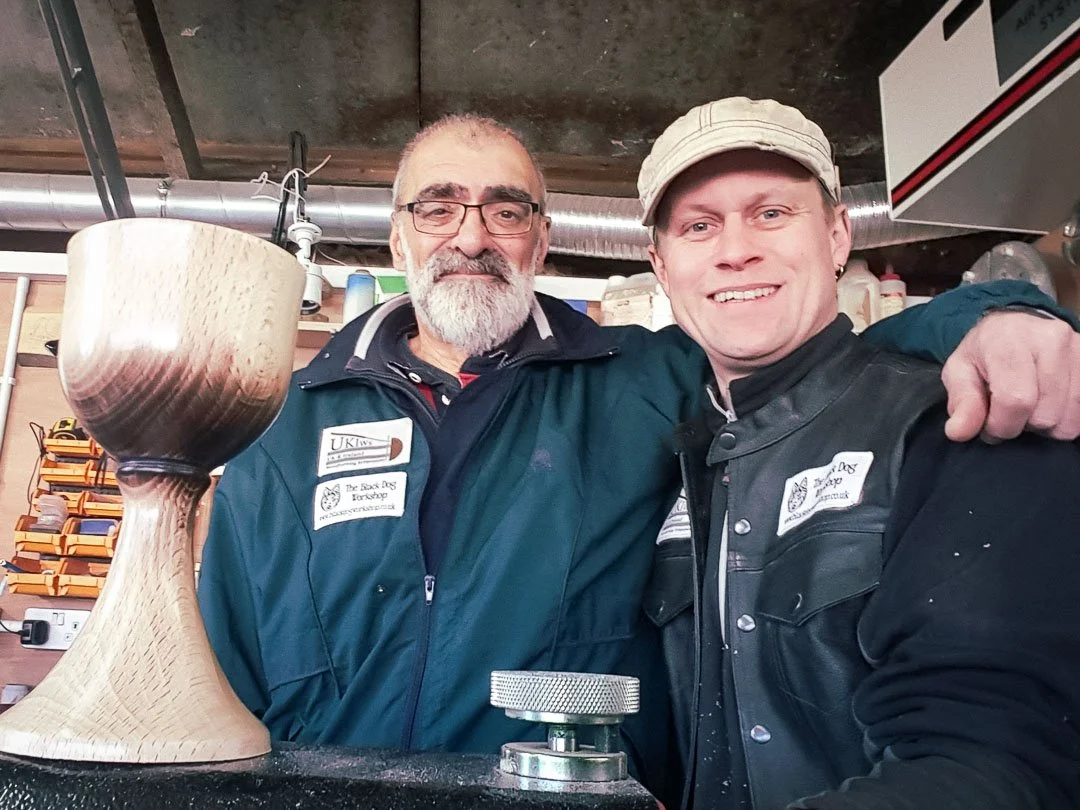
One of the things that surprised me when I started turning was the generosity of the community. I'd expected competition – people guarding their techniques, reluctant to share secrets. What I found was the opposite.
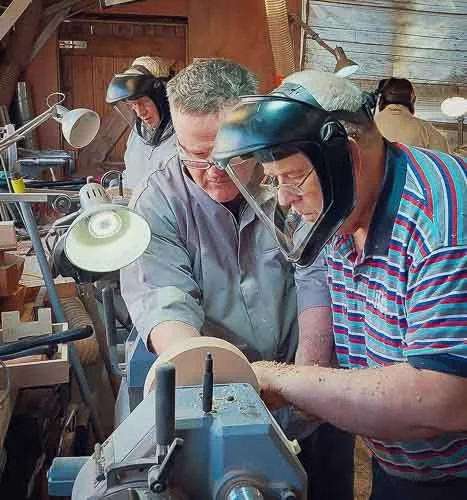
Experienced turners went out of their way to help newcomers. They shared tips freely, demonstrated techniques patiently, celebrated others' successes genuinely. It wasn't what I was used to from other parts of life, where knowledge often feels like currency to be hoarded.
The maker movement, at its best, embodies this philosophy. Wikipedia describes it as emphasising "the value of the handmade object" and believing that "art and craftsmanship could improve society as a whole." That improvement happens through sharing, through teaching, through building connections across skill levels.
William Morris, the 19th-century designer and philosopher who helped spark the Arts and Crafts movement, believed that "art is man's expression of his joy in labour." Note that word: joy. Not just skill, not just output, but joy. And joy, it turns out, is contagious. When you see someone genuinely delighted by their work, it affects how you feel about yours.
This is why class environments matter so much. At The Woodturning School, we keep groups small – typically five students maximum. This isn't just about access to equipment; it's about creating space for connection. Students help each other, celebrate each other's breakthroughs, commiserate when things go wrong. By the end of a class, people often exchange numbers, stay in touch, even meet up to turn together.
The research supports what we see in practice. Studies have shown that the social aspects of craft contribute significantly to wellbeing benefits. It's not just the making – it's the making together, or at least the making in community. Even crafts that seem solitary become richer when connected to others who share the passion.
I founded Woodturning360 during lockdown because I saw how much people needed that connection. We meet online twice a month – once for a demonstration, once for discussion. Members from eleven countries, united by a shared love of making.
“You don’t have to turn alone. The community is here, and it’s welcoming.”
Class Recommendation: Join one of our classes and discover the community. Our small group sessions create genuine connections between students who share the same curiosity.